1. The "New Frontier" ISO 42001 (AI Management)
Is your team using Generative Ai for work? Are you building AI tools?
• What it does: It ensures you are using AI ethically, safely, and transparently.
• Who needs it: Early adopters who want to prove to clients that their AI isn't a "black box" of risk.

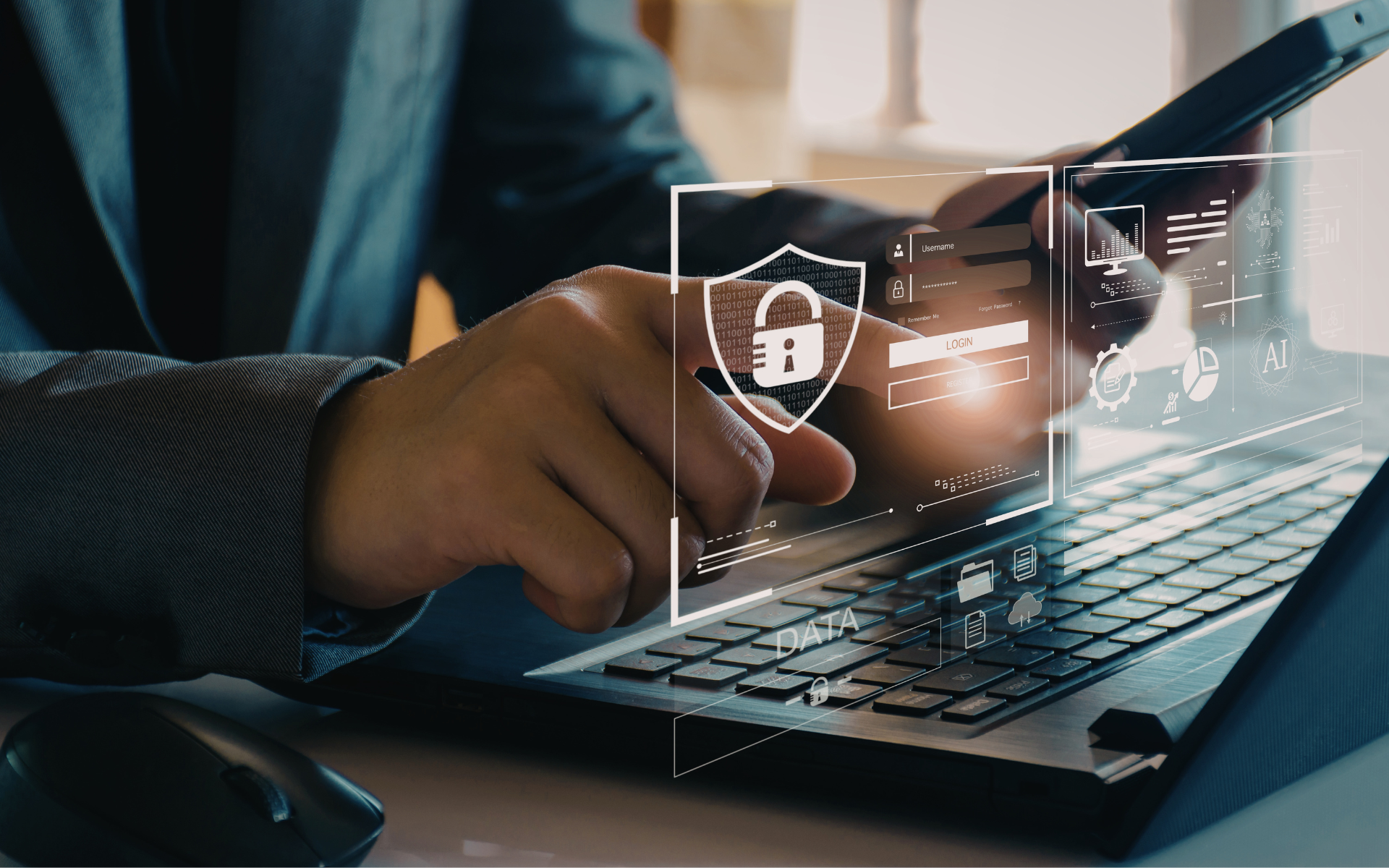
2. The "Trust" Foundation ISO 27001 (Information Security)
If you handle data, whether it’s client info, employee records, or intellectual property, this is your gold standard.
• What it does: It helps you identify security risks and put "locks" on the right doors.
• Who needs it: Any business operating digitally, especially if you want to work with government agencies or large MNCs.
• Why it matters: Recent aviation cyber incidents have shown that even when planes are mechanically sound, digital disruptions can still ground operations. Flight delays and operational shutdowns caused by system outages highlight the importance of ISO 27001.
• The Trend: With the 2022 update, the focus has shifted to cloud security and threat intelligence.
3. The “Sustainability Engine” ISO 14001 (Environmental Management)
Environmental performance is increasingly tied to regulatory exposure and investor expectations.
• What it does: Helps you systematically manage environmental impact, reduce waste, improve energy efficiency, and comply with environmental regulations.
• Who needs it: any company facing ESG pressure from investors and clients.
• The Shift: The upcoming ISO 14001:2026 revision is expected to strengthen requirements around climate risk, supply chain responsibility, and leadership accountability.

4. The "Consistency" King ISO 9001 (Quality Management)
Tired of "firefighting" or dealing with inconsistent work quality? ISO 9001 is about getting your house in order.
• What it does: It forces you to document processes so that work is done right the first time, every time.
• Who needs it: Manufacturing, construction, or service firms that want to scale without losing quality.
• The Trend: The upcoming ISO 9001:2026 revision is now requiring companies to factor climate change into their business risks.

5. The "Singapore Essentials" DPTM & CTM
If you are based in Singapore, international standards aren't your only option. Local marks like the Data Protection Trustmark (DPTM) and Cyber Trust Mark (CTM) are becoming the "national language" of trust.
• DPTM (SS 714): Tells your customers, "We won't mishandle your personal data." It’s basically the gold seal for PDPA compliance.
• CTM (SS 712): Specifically for cybersecurity resilience. It's often more achievable for SMEs than the full ISO 27001 but still carries massive weight with local auditors. Not only that, CTM is also growing in international recognition and cross-border alignment.

How to Choose? Ask Yourself 3 Questions:
1. What are my customers asking for? (Check your latest tender or contract requirements).
2. Where is my biggest risk? (Is it a data breach? Ai systems? Sustainability?)
3. Am I expanding? (ISO is global, DPTM/CTM are great for Singapore-specific growth).
The QuESH Philosophy: Avoid the Red Flags
Don’t fall for "instant" certifications or companies that just sell you a folder of templates. A framework only works if it fits your actual workflow.
Contact us now!
Not sure which path to take? Don't spend months over-analyzing. Let’s have a quick chat at QuESH to map out a roadmap that actually fits your budget and your business goals.